December 17, 2025
Controversial Brand Trends for 2026

If 2024 and 2025 were the years brands talked about authenticity, purpose, and storytelling, 2026 is the year the industry gets uncomfortable. Three major shifts are coming—and each one challenges the way brands have been operating for the past decade. These trends aren’t polite, and they won’t be easy. But brands that master will stay ahead of the curve.
Here are the three most controversial brand trends for 2026.
1. The Death of “Authenticity”—Replaced by Action and Proof
Authenticity had a good run. But after years of overuse, over-polish, and “authenticity theatre,” audiences no longer trust the word or the performance around it.
In 2026, brands won’t win by being relatable, raw, or real. They’ll win by doing things that are verifiably true.
Consumers want:
- Receipts
- Evidence
- Measurable progress
- Transparent commitments
- Third-party validation
The brands that thrive won’t be the ones posting “unfiltered moments” they’ll be the ones showing their impact, opening the books, and backing claims with data.
Authenticity is out. Proof is in. Don’t just say you have “ethical practices,” talk to LMNO about the B Corp certification process or sustainability reporting.
2. The Rise of “Brand Gravity”—You Don’t Need to Show Up Everywhere, Just Mean Something Somewhere
For years, brands chased omnipresence: more channels, more content, more formats, more noise. In 2026, that approach collapses under its own weight.
The winning brands won’t be the loudest; they’ll be the ones with gravity.
Gravity means:
- Showing up in fewer places
- But showing up with deeper meaning
- Building irresistible pull—not constant presence
- Creating communities instead of chasing audiences
- Becoming a destination not a distraction
The shift is clear: Attention is scarce; significance is not.
Brands with gravity attract people because they stand for something clear, consistent, and compelling, not because they’re everywhere. LMNO does this by encouraging our clients to focus on one or two channels. Lüm launched only on Instagram, MEMO Festival foregoing Facebook because it wasn’t an audience match; it is about helping people understand what is right for their audience and brand.
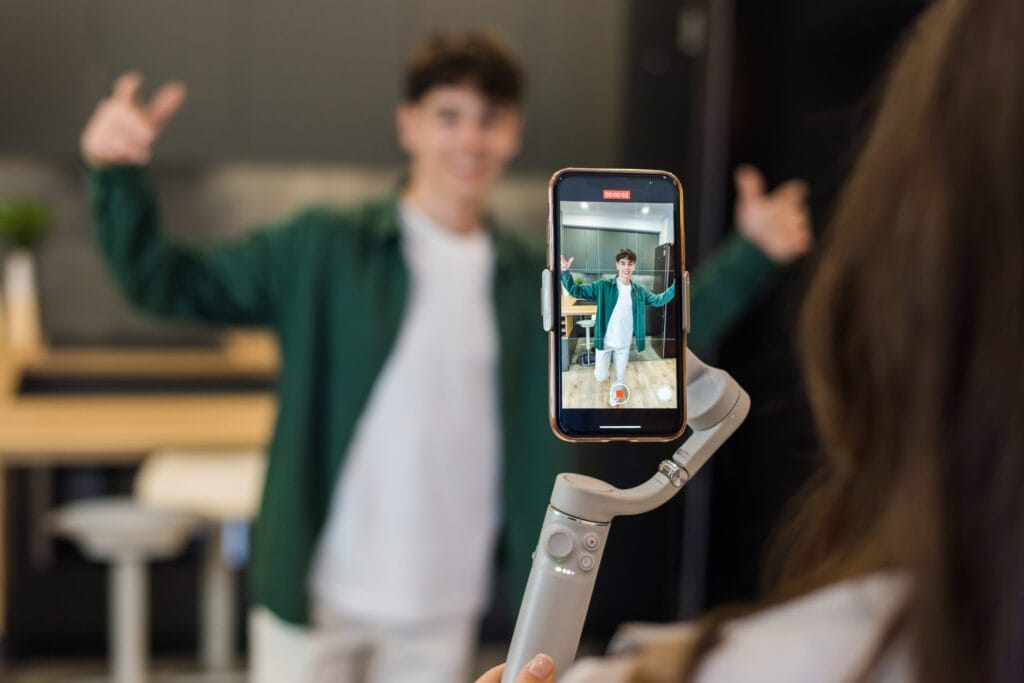
3. The Great De-Influencing Era—Trust Moves Away From Creators and Back to Individuals
Influencer culture isn’t dying, but its dominance is being questioned—and the data backs it up.
WARC’s The Marketer’s Toolkit 2026 identifies what it calls “The Creator Gamble”: brands are increasing investment in creators, yet facing extreme volatility in results, weak brand linkage, and over-reliance on shallow engagement metrics. In many cases, creators drive reach but fail to consistently build trust, memory, or long-term value.
In response, 2026 marks a shift away from influencer-first strategies and toward credibility-first ecosystems. The most impactful brand voices won’t be influencers alone, they’ll be:
- Customers
- Employees
- Category experts
- Everyday people with skin in the game
This is the rise of de-influencing: credibility shifting away from paid personalities and toward real users, practitioners, and insiders.
Brands will increasingly rely on:
- Employee-led storytelling
- Customer-verified claims
- Peer communities
- Independent experts and reviewers
The message is clear: influence is decentralizing.
People don’t want polished recommendations, they want proof, context, and lived experience.
The Bottom Line: 2026 Isn’t About Looking Good—It’s About Being True, Useful, and Verifiable
The brands that win will be the ones that:
- Prove instead of perform
- Mean something instead of being everywhere
- Earn trust through everyday people, not just influencers
2026 rewards brands that act with intention, deliver with substance, and build trust through evidence not theatrics.
How LMNO Helps Brands Win in 2026
At LMNO, we help brands navigate exactly these shifts from performance to proof, from reach to relevance, from influence to trust.
Our work focuses on:
- Building credibility-driven brand platforms grounded in real impact, not surface-level storytelling
- Designing brand gravity by helping organisations clarify what they stand for, where they show up, and why it matters
- Replacing fragile influencer dependency with durable trust systems—employee advocacy, customer proof, expert voices, and community-led narratives
- Translating evidence, data, and real-world action into brand experiences that people actually believe
In a world where authenticity is questioned, attention is fragmented, and influence is decentralizing, LMNO helps brands move beyond optics and into outcomes. Check out some of our projects here.