November 27, 2025
Driving Brand Loyalty Through Advent Calendars

I’m probably a little too into advent calendars. I’ve always appreciated them as a consumer, but a couple of years ago I really started thinking about them through a branding, packaging design, and customer-experience lens—like somebody who works at a marketing agency would! I’m not talking about the waxy-chocolate calendars that were a December staple in my childhood. (I loved them as a kid, but my tastes—and expectations—have evolved.) I’m not talking about candy calendars either—a Reese’s a day sounds delicious, but not particularly special.
No. I’m talking about the branded, curated calendars that range from everyday premium brands like Bonne Maman all the way to the super-luxe Tiffany & Co. advent calendar. For easy reference, we’ll group these into the very loose category of luxury advent calendars. And this category has only picked up steam in recent years, with brands across multiple sectors jumping on the holiday bandwagon to varying degrees of success. Here are my thoughts on what makes the difference between an awesome advent and a Christmas catastrophe.

Packaging with an Impact
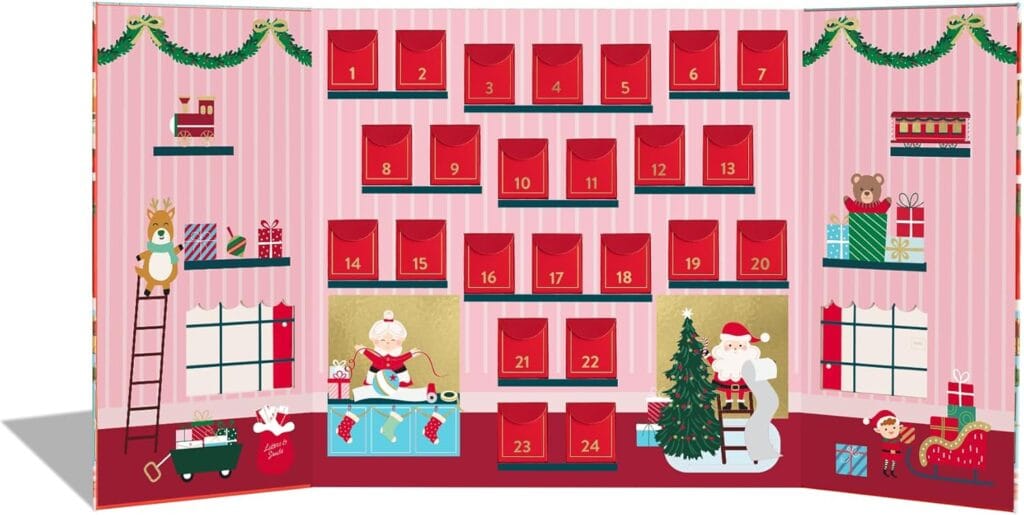
A luxury advent calendar is a series of daily gifts—and it should look the part. It will be in your customer’s home for almost a month during a time when many people care deeply about the aesthetic of their space. High-quality packaging design matters. It needs to feel festive, premium, sturdy, and intentional.
Some brands elevate this even further by designing calendars that double as holiday décor. Sugarfina has excelled here in recent years, creating free-standing calendars that depict a holiday scene like Santa’s Toy Shop. When packaging becomes an experience in itself, it reinforces brand loyalty long before customers open what’s inside.
The Decision for Brands
In my years of purchasing advent calendars, I’ve seen three major routes brands take. Your product mix and operational setup will determine which path makes the most sense. If your business isn’t structured to develop limited-edition or seasonal products quickly, exclusive offerings may be difficult—but you can still thrill customers by leaning into your strengths.
Curated Classics
Following the “if it ain’t broke, don’t fix it” mindset, these calendars are filled with standard products customers already know and love. Beauty brands excel here, using each day as a chance to deliver a discovery moment—whether it’s a favourite product in a new size or a core item customers haven’t tried yet.
The winning strategy: generosity. Sample sizes are okay at lower price points, but travel sizes feel more premium, and a few full-size products deliver true delight. This approach strengthens customer loyalty by giving fans real value. The Body Shop is a consistent leader in curated classics.
Limited Editions
Offering something unique for the holiday season is another successful approach—one LEGO has been using for about 25 years. Their advent calendars feature festive minifigs and accessories that build holiday magic brick by brick. Bonne Maman is also a standout, releasing exclusive jam and honey flavours each year to surprise and reward their loyal followers.
These brands understand their audiences deeply and use that insight to create meaningful, limited-time experiences. Limited editions also tap into seasonal FOMO, encouraging customers to make your advent calendar an annual brand ritual.
The Dumping Ground
Okay, look. This is a choice I’ve seen many brands make, but it’s not one I recommend. These haphazard collections of leftovers, inconsistent product values, and filler items aren’t curated experiences—they’re discount bins. YouTube is full of review videos calling out lacklustre calendars, including Chanel’s infamous 2021 launch.
The entire purpose of a luxury advent calendar is to make customers feel special. Filling a box with clearance-rack odds and ends does the opposite. If this is your brand’s only option, skip the calendar and focus your holiday resources elsewhere.
Reward Customer Loyalty
Luxury advent calendars exist for brand enthusiasts. Casual shoppers won’t spend extra during an already expensive season on something they might like. But people who feel a meaningful connection to your brand will make that investment because they trust the experience will be worth it.
A successful advent calendar strikes the right balance between perceived value and emotional experience. It’s 24 consecutive days of brand touchpoints—24 opportunities to strengthen affection, reinforce loyalty, and deepen your relationship with your most passionate customers.
The Bottom Line
If you’re a consumer packaged goods brand, an advent calendar can be a powerful way to boost holiday-season sales while deepening brand loyalty. But execution matters. Approach it strategically, understand both the opportunity and the risk, and make sure the final product feels like a true extension of your brand experience.
And if you need a hand putting it together, talk to us. We’d love to help!
A B Corp Twist: Advent Calendars With Values
Since LMNO became a Certified B Corporation—a designation for companies that meet high standards of social and environmental performance, accountability, and transparency—we’ve been paying even closer attention to brands that align values with customer experience.
As a bonus, here are two advent calendars that combine creativity with responsible business practices!
- Lakrids by Bülow – For the licorice loving family member, Lakrids by Bülow offers two beautifully designed advent calendars featuring premium flavours and sustainable packaging.
- Uncommon Goods – Uncommon Goods carries a wide range of non-food advent calendars—from crafts to rituals to creative countdowns.
These options show how brands can deliver joyful, memorable seasonal experiences while staying true to their purpose and values—something that matters a lot to us at LMNO.